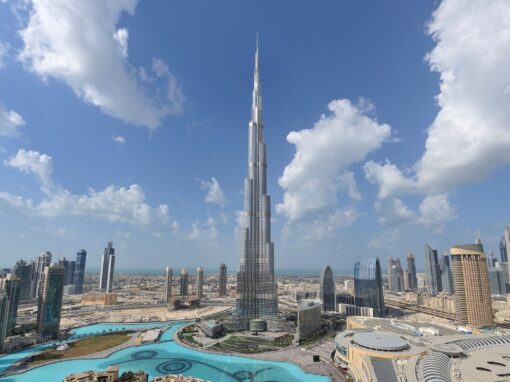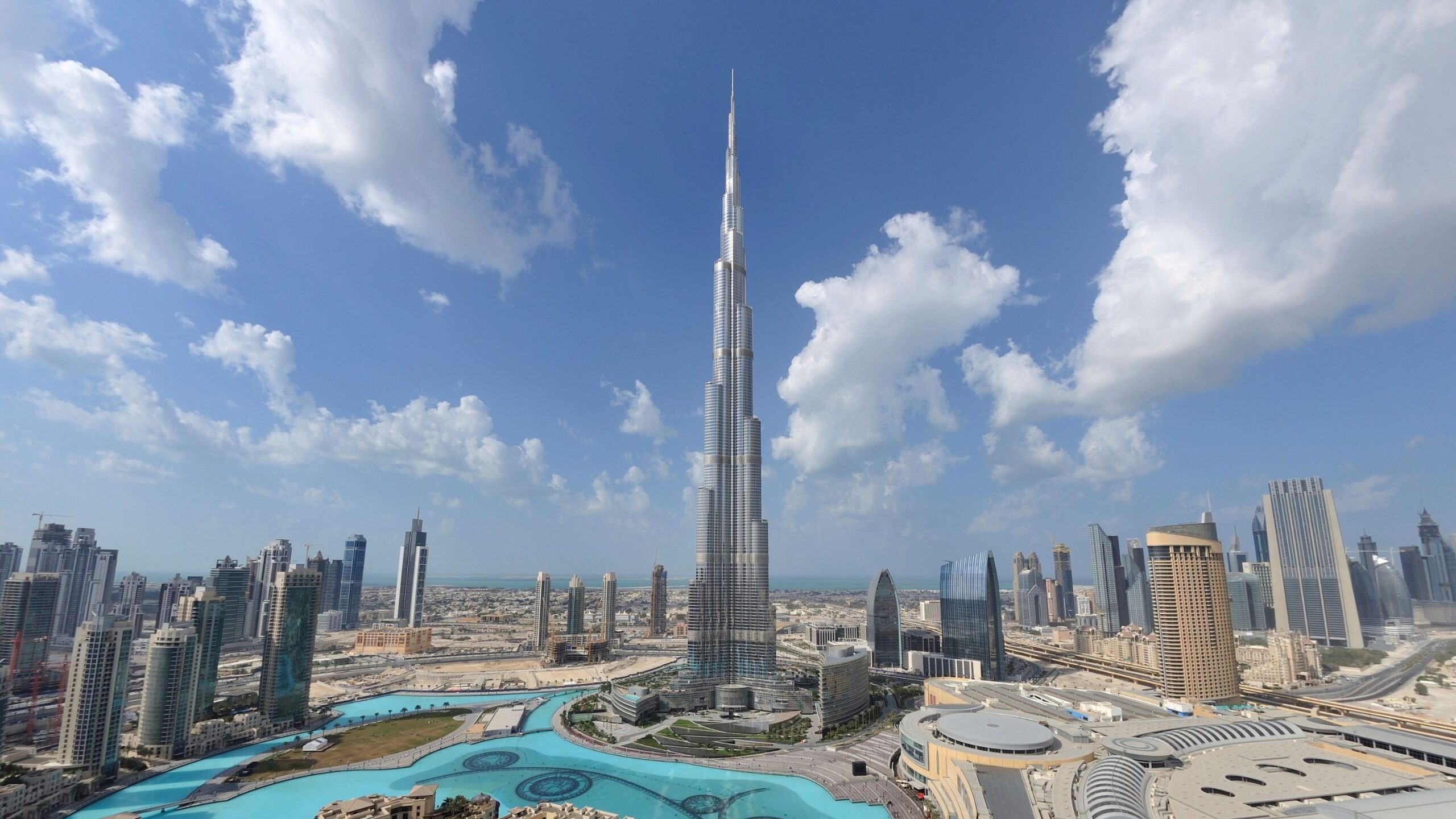
The Burj Khalifa rises 828 metres above Dubai, making it the tallest structure ever built. Completed in 2010, it anchors Downtown Dubai and has become one of the most recognizable landmarks in the world. What was once a stretch of desert is now a dense, high-value urban core, and this tower sits at its center like a statement that refuses to be ignored.
Designed by Adrian Smith of Skidmore, Owings & Merrill, the building takes cues from Islamic architectural forms, particularly the spiral minaret. The Y-shaped base is not just aesthetic, it stabilizes the structure against wind forces at extreme heights while opening up panoramic views in multiple directions. Developed by Emaar Properties, the tower was originally named Burj Dubai before being renamed in honor of Khalifa bin Zayed Al Nahyan.
The engineering behind the Burj Khalifa pushed modern construction to its limits. With 163 floors above ground and some of the fastest elevators ever installed, the building relies on a buttressed core system that allows it to stand firm despite high winds and temperature extremes. Its reflective glass facade is not just for appearance, it reduces heat absorption, a necessity in Dubai’s climate. Every detail, from materials to structure, was designed to make height sustainable, not just possible.
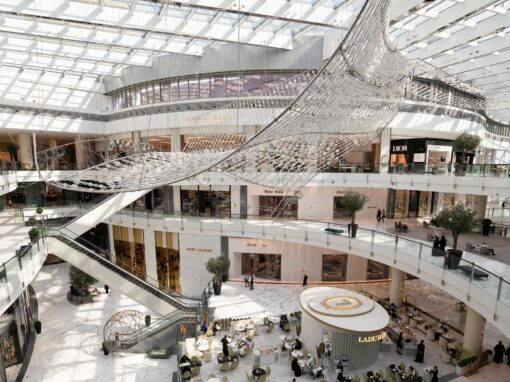
For visitors, the experience is built around perspective. Observation decks on levels 124, 125, and 148 offer sweeping views of the city, desert, and coastline. At sunset, the skyline shifts color, and by night, the city becomes a grid of light stretching in every direction. From above, landmarks like the Dubai Fountain and Dubai Mall feel almost miniature, a reminder of the scale at play. The tower also houses the Armani Hotel Dubai, blending hospitality with architecture in a way that turns the building itself into a destination.
What makes the Burj Khalifa different is not just its height, but what it represents. It reflects a city that chose visibility over modesty and speed over hesitation. It attracts millions of visitors each year, but more importantly, it signals to investors, businesses, and governments that Dubai builds with intent. Height, in this case, is not vanity. It is positioning.
And here is the shift most people miss. When the world’s tallest building becomes normal, the benchmark changes. The Burj Khalifa is no longer just about breaking records. It is about setting expectations.